
Progressive Overload: How to Keep Getting Stronger
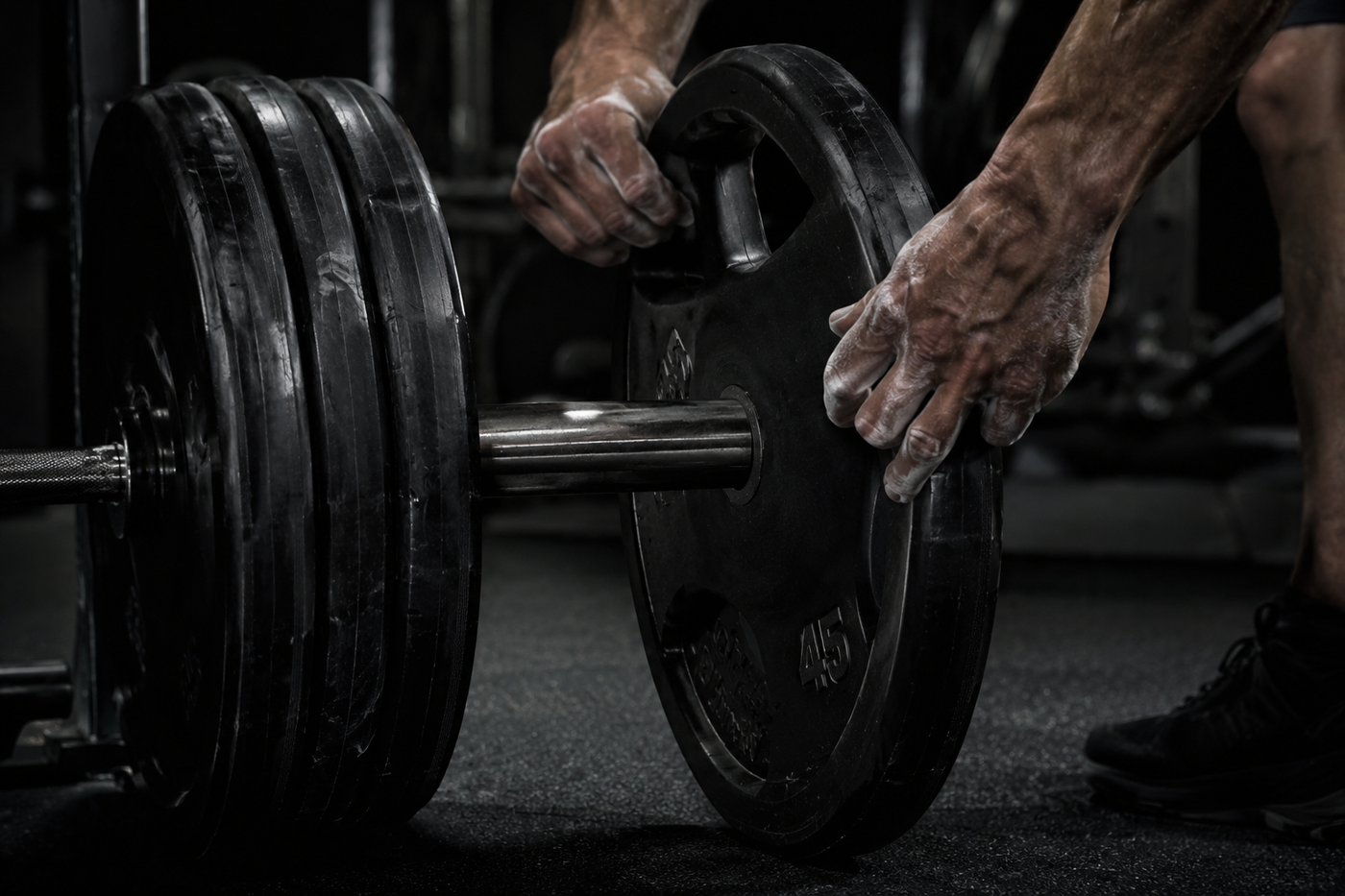
You have been showing up, putting in the work, and lifting the same weights for the same reps for weeks. The effort is there, but the progress has stalled. Here is the uncomfortable truth: hard work alone does not build muscle or strength. Progressively harder work does. That principle has a name, and it is the single most important idea in training.
Progressive overload means gradually increasing the demand you place on your muscles over time. Without it, your body has no reason to adapt, so it stays exactly where it is. With it, you give your muscles a steady reason to grow stronger, session after session. Nearly every effective program, from beginner routines to elite programming, is built on this foundation.
In this guide you will learn what progressive overload really is, why you plateau without it, and how to apply The 5 Levers of Progressive Overload so you keep making progress long after the newbie gains dry up. This is progressive overload made practical.
Progressive overload is the gradual increase of training demand over time. The 5 Levers give you five ways to make a workout harder, so you are never stuck when you cannot just add weight.
- Add weight to the bar when your reps are solid, the most obvious lever.
- Add reps at the same weight before you increase the load.
- Add sets to increase total volume over a week.
- Slow the tempo to increase time under tension without more weight.
- Improve range of motion and form to make each rep more demanding.
What Progressive Overload Actually Is
Your body is efficient. It only builds muscle and strength when the current demand exceeds what it is already comfortable handling. Lift the same weight for the same reps forever and your body concludes it is strong enough already, so it stops adapting. That is not a flaw, it is biology doing its job.
Progressive overload is the deliberate strategy of always giving your body a slightly greater challenge than last time. The key word is gradual. Jumping the load too fast leads to sloppy form and injury. Nudging the demand up in small, controlled steps is what drives consistent, lasting gains. This principle sits at the core of guidance from bodies like the American College of Sports Medicine and the National Strength and Conditioning Association.
Why You Hit a Plateau
Almost every stall traces back to the same cause: the training stopped getting harder. Beginners make fast progress because almost any training is a new challenge, so the newbie gains flow freely. But once your body adapts to a given workload, repeating it produces nothing.
The mistake many lifters make is confusing effort with overload. Sweating, feeling the burn, and being tired are not the same as progressing. If the numbers in your logbook are not moving in some direction over time, you are maintaining, not building. Progressive overload is what turns effort into results.
The 5 Levers of Progressive Overload
Most people think progressive overload only means adding weight. It does not. When the load will not budge, you have four other levers to pull. This is what keeps you progressing for years, not weeks.
Lever 1: Load
Adding weight to the bar or dumbbells is the most direct form of overload. When you can complete all your target reps with good form, add a small increment and repeat. This is your primary lever, but it is not the only one.
Lever 2: Reps
You do not need more weight to make a set harder. Doing more reps with the same load increases the total work. A reliable approach is to add reps until you reach the top of your target range, then increase the weight and start again lower in the range.
Lever 3: Sets
Adding sets increases your total training volume, which is a major driver of muscle growth. Going from three sets to four adds meaningful work over a week. Increase volume gradually so recovery keeps pace.
Lever 4: Tempo
Slowing down a lift, especially the lowering phase, increases the time your muscles spend under tension. A three-second descent is far more demanding than dropping the weight quickly, even though the load on the bar is identical. Tempo is a powerful lever when adding weight is not an option.
Lever 5: Range of Motion and Form
Taking a lift through a fuller range of motion, squatting deeper or pressing through a complete stretch, makes every rep harder and more effective. Tightening sloppy form so the target muscle does the work, rather than momentum, is overload in its own right. Better reps beat more reps done badly.
How to Apply Progressive Overload Week to Week
The Double Progression Method
One of the simplest and most reliable systems is double progression. Pick a rep range, for example 8 to 12. Stay at a given weight until you can hit the top of the range, 12 reps, on all your sets. Once you can, increase the weight and drop back to the bottom of the range. Then climb again. You are progressing on reps first, then load, in a repeating cycle.
Track Everything
You cannot overload what you do not measure. Keep a training log of your weights, sets, and reps for every session. This turns progress from a vague feeling into hard data, and it tells you exactly when to push and when you have stalled. A notebook or a phone app both work.
Build in Deloads
You cannot add demand forever without a break. Every several weeks, take a lighter deload week where you reduce weight or volume. This lets accumulated fatigue clear so you come back fresher and ready to progress again. Deloads are part of overload, not a pause from it.
Progressive Overload Mistakes to Avoid
- Adding weight too fast. Big jumps wreck your form and invite injury. Small, steady increments win.
- Only ever adding weight. When the load stalls, you still have four other levers. Use them.
- Sacrificing form for numbers. A heavier lift with broken technique is not progress, it is a step toward injury.
- Never tracking. Without a log you are guessing, and guessing does not overload anything reliably.
- Skipping deloads. Grinding endlessly leads to burnout and stalled lifts. Planned recovery keeps progress moving.
Frequently Asked Questions
How quickly should I add weight?
Only when you can complete all your target reps with clean form. For most lifts, small increments are the way to go, and upper body lifts progress more slowly than lower body ones. There is no prize for rushing.
Do I have to add weight every workout?
No. Beginners can often progress load frequently, but that pace does not last. Once it slows, you progress through reps, sets, tempo, and form instead. Overload does not require more weight every single session.
Can I use progressive overload with bodyweight or bands?
Absolutely. Add reps, slow the tempo, increase range of motion, or move to harder variations. With resistance bands you can progress to thicker bands. The principle applies to every training tool, not just barbells.
How do I know if I am actually progressing?
Check your training log. If your weights, reps, or sets are trending up over weeks, you are progressing. If everything has been flat for a while, it is time to change a variable and apply a lever.
What if I stall on every lever?
A persistent stall usually means you need recovery, not more effort. Take a deload week, prioritize sleep and protein, then return and resume progressing. Fatigue, not lack of effort, is often the real cause.
Start Progressing on Purpose
Hard work is the price of admission, but progressive overload is what turns that work into muscle and strength. Pick your lifts, log every session, and make sure something goes up over time, whether that is weight, reps, sets, tempo, or the quality of each rep. Do that consistently and the plateau disappears. Progress is a plan, not an accident.


